The Qualities of an Ideal ev charger manufacturer in india
EV Charger Manufacturers Across Gujarat & Western India: A B2B Procurement Guide
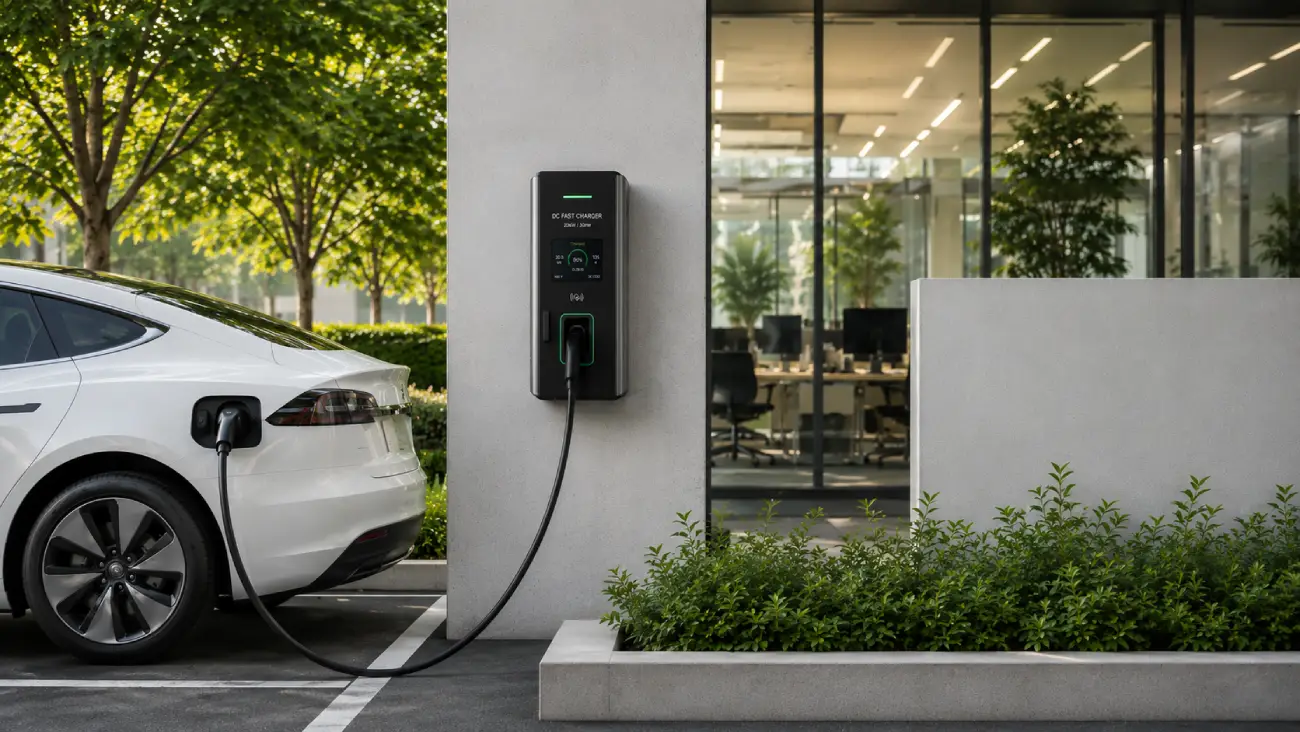
Selecting an EV charger manufacturer means considering how an organisation will handle its vehicle charging requirements in the years ahead. Businesses based in Ahmedabad, Surat, Vadodara, Rajkot, Vapi and surrounding Western India markets may find that access to a regional supplier simplifies coordination. However, a convenient location represents only one element of a well-informed procurement decision. Equipment compatibility, electrical capacity, installation requirements and service arrangements all affect whether a charging project performs as expected.
Organisations evaluating Gujarat EV charger manufacturers need to start with a clear understanding of their charging and operating needs. Charging requirements at a workplace with all-day parking differ from those at a fleet depot where vehicles need to be ready for another shift. This guide explains how to assess manufacturers, compare quotations and consider Power9 as a regional option without incorrectly identifying its Dadra manufacturing location as being within Gujarat.
Establish Charging Requirements Before Assessing Suppliers
A practical procurement process starts by clearly identifying the vehicles involved and how they are used throughout the day. Record the vehicle models, anticipated battery charging needs, connector compatibility, available parking periods and expected departure schedules. Also identify how many vehicles must charge at the same time and whether additional vehicles are expected to join the fleet. These details allow suppliers to recommend equipment suited to real operating conditions.
A company offering vehicle charging throughout an eight-hour working day may prioritise distributing charging access among employee parking areas. A delivery fleet returning between shifts may instead require higher charging power within a shorter available period. When assessing an EV charger manufacturer in India, ask the supplier to demonstrate how its proposed configuration addresses these specific requirements. A suitable recommendation should directly connect available charging capacity with the need to have vehicles ready for operation.
Understand Who Manufactures and Who Supplies the Equipment
Businesses appearing in EV charger supplier searches can have considerably different roles in the equipment supply process. One company may manufacture chargers, while another assembles systems, distributes equipment from another brand, installs charging units or operates charging facilities. All these roles can be valuable, although purchasers should understand who has control over the product and who remains accountable once it has been supplied.
While evaluating ev charger manufacturing companies in India, confirm where the equipment is produced, who manages firmware updates and which organisation approves technical changes. Determine which company provides warranty coverage and makes spare components available. Local distributors can provide effective regional support, while manufacturers may be able to connect buyers directly with engineering teams. Transparent technical and service accountability is more important than an impressive company description that fails to identify who resolves equipment faults.
Align AC and DC Charger Selection with Operational Requirements
AC charging may be suitable where compatible vehicles remain stationary for several hours, including workplaces, hotels and certain residential or commercial properties. Whether AC charging is appropriate depends on the charging capacity built into the vehicle and the duration of the charging window. Installing an AC charger with a higher power rating cannot bypass a lower charging limit imposed by the vehicle.
DC charging may be appropriate for operations requiring greater energy replenishment during shorter stops, provided the vehicles and site infrastructure can support it. Nevertheless, investing in DC chargers is not necessarily a complete solution for every fleet charging requirement. Businesses should request that electric vehicle charging station manufacturers explain the expected charging performance for their specific vehicle models. Some locations may benefit from combining AC and DC charging equipment, with each type serving a specific operational requirement.
Assess Site Electrical Capacity Before Choosing Charger Ratings
The proposed charger price and specifications should be reviewed in relation to the site's current electrical arrangements. Factors such as available power, current building loads, electrical distribution, cable routes and the distance to installation points can affect both project requirements and costs. A suitably qualified electrical assessment helps determine the charging capacity the property can support and whether infrastructure improvements are required.
At an industrial facility, charger demand needs to be evaluated alongside manufacturing machinery and other essential electrical loads. In commercial buildings, constraints may involve parking accessibility, electrical distribution capacity and available installation space. Request that prospective ev charging station manufacturers specify the electrical conditions and assumptions underlying their proposals. Doing so helps procurement teams establish whether different supplier quotations describe genuinely comparable projects.
Review Full Technical Specifications and Charging Compatibility
Advertised charging power alone does not provide enough information for a meaningful comparison. Buyers should review electrical input requirements, output voltage, maximum current, connector arrangements, operating conditions and installation specifications. For equipment supporting multiple charging outputs, establish whether the stated power is available at each output or shared among connected vehicles.
Actual charging performance is also influenced by vehicle characteristics and the conditions under which charging takes place. The battery's current charge level, temperature and vehicle-specific charging restrictions may affect the rate at which energy can be received. Request that the shortlisted ev charger company in India outline the expected charging behaviour across the required charging window. For fleet installations, testing with representative vehicles may provide more meaningful evidence than a general equipment presentation.
Verify Safety Documentation and Manufacturing Quality
Technical statements should be supported by documents that relate to the precise charging equipment included in the quotation. Request details of the relevant technical standards together with corresponding testing records or certification documents, where applicable. Verify the named manufacturer, model details, equipment configuration assessed and the coverage of the supporting documentation. A reference to a standard in a brochure does not establish which aspects of the equipment have undergone independent assessment.
Evaluating product quality should include reviewing the manufacturer's production-stage inspection procedures. Buyers can ask how electrical functions, protective systems, communication features and charger operation are checked before equipment leaves the facility. Because type testing and routine manufacturing checks have distinct purposes, purchasers should pay attention to both. Commercial ev charging station manufacturers ought to explain their quality-control processes and make appropriate inspection evidence available for delivered units.
Review Software Integration and Connectivity Requirements
Network-connected charging equipment introduces additional considerations involving software access, communication reliability and continuing expenditure. When a supplier advertises OCPP compatibility, confirm the supported version, implemented functions, tested management platforms and whether third-party integration forms part of the quotation. Identify who will establish the software connection and take responsibility for resolving integration difficulties.
Connectivity arrangements should be examined with the same level of detail. Confirm which organisation supplies the SIM, pays connectivity charges and troubleshoots communication interruptions. Determine what happens to charging permissions, session records and the reconnection process during a loss of internet connectivity. Organisations assessing ev charging station companies in India should additionally understand software subscription conditions, access permissions and the requirements for changing backend service providers. These details may affect how flexibly the equipment can be operated throughout its service life.
Plan for Electrical Load Management and Fleet Growth
Installing multiple chargers at one location can substantially increase the site's electricity demand. Where a supplier recommends load management, ask how the proposed arrangement monitors spare capacity and distributes charging power across vehicles. Determine whether the system adjusts to building electricity consumption, applies a fixed charging ceiling or accommodates specific operating priorities.
A complete proposal needs to specify the extra metering equipment, controllers, communication infrastructure and software necessary to provide the advertised functionality. Purchasers should understand the system's response when communication links fail or a load management component becomes unavailable. A prospective ev charging solutions company needs to describe how the installation could grow with fleet demand, while ev charging station suppliers identifying limits associated with the number of chargers, equipment compatibility and electrical capacity.
Check Charger Suitability for the Site Environment
Operating environments across Western India differ in their exposure to high temperatures, airborne dust, rain and coastal conditions. For this reason, the equipment chosen should be appropriate for the specific environment in which it will operate. Review the equipment's temperature limits, enclosure protection specifications, cooling requirements and any circumstances that cause output power to be reduced.
Planning the installation arrangement is just as important as evaluating the charger itself. Charger positioning should accommodate vehicle movement, charging cable length, pedestrian access, physical equipment protection and sufficient clearance for maintenance. Suitability for outdoor installation should be verified through the manufacturer's documentation and installation guidance. An image showing a charger installed outdoors is not proof that it is suitable for every external environment. Procurement teams need to ensure that installation plans comply with the manufacturer's instructions and reflect the conditions under which the site operates.
Make Warranty and Spare Parts Part of the Purchase Decision
A warranty's duration alone is insufficient to establish the level of assistance available after purchase. Confirm when warranty protection starts, which components are covered and what installation or maintenance conditions must be satisfied. Clarify which party must pay for fault investigation, technician visits, transportation of parts and replacement work. All such responsibilities need to be agreed and recorded before placing the equipment order.
Spare-parts planning should address cables, connectors, controllers, displays and other replaceable components relevant to the selected equipment. Ask ev charging station suppliers where spare parts are stored, how technical faults are investigated and which services remain available after warranty coverage ends. A regional supplier may offer logistical benefits, although meaningful support still depends on access to qualified technicians, necessary components and a reliable process for escalating unresolved problems. The ability to provide service should be established through practical, documented arrangements.
Evaluate Overall Charging Infrastructure Costs Across Suppliers
The charger's initial purchase price is just one component of the overall project expenditure. Transport costs, electrical works, foundation construction, equipment mounting, installation and commissioning can all add substantially to upfront spending. Ongoing costs can also arise from management software, communication services, scheduled maintenance and the replacement of equipment components.
A meaningful cost comparison requires every supplier to work from the same site details and operational specifications. Identify what has been left out of each quotation, which features cost extra and what responsibilities remain with the buyer. Organisations assessing evse manufacturers in India need to consider how equipment downtime could disrupt their normal activities. A cheaper charger may deliver limited overall value when essential infrastructure requirements or support services are not clearly included.
Understanding Power9's Position in Western India Sourcing
According to the provided company material, Power9 is the electric vehicle charging brand of Global Futuretech Private Limited, whose works are situated in Dadra, part of Dadra and Nagar Haveli and Daman and Diu. The manufacturing location in Dadra lies outside Gujarat, and this geographical distinction is important when describing the company's regional manufacturing presence. Buyers researching suppliers in Gujarat may also assess Power9 as a regional Western India option, provided its products meet project needs and the agreed service area is suitable.
The company information provided describes dual-output AC charging equipment and a DC charging platform available in 20 kW or 30 kW configurations. Procurement teams should verify the specific charger model, output configuration and current technical specifications using quotations and supporting product datasheets. Power9 should be assessed against the same standards applied to competing suppliers, including vehicle compatibility, technical documentation, installation responsibilities, software integration, warranty terms and long-term maintenance.
Frequently Asked Questions About B2B EV Charger Sourcing
The following questions cover common considerations when shortlisting manufacturers for workplace, commercial and fleet charging installations.
Should a Gujarat Business Choose a Nearby Manufacturer?
Working with a regional manufacturer may simplify factory visits, equipment transportation and the organisation of maintenance support. Nevertheless, being located close to the buyer does not automatically establish the quality or compatibility of charging equipment. Evaluate regional accessibility together with engineering expertise, vehicle compatibility, supporting documentation and replacement-parts availability. The most appropriate supplier is one that can consistently satisfy the project's technical specifications and operational requirements.
Which Details Belong in an EV Charger Request for Quotation?
Provide the vehicle models, fleet quantity, charging periods, connector requirements, site location and available electrical infrastructure details. Specify how many vehicles must charge simultaneously, the expected software capabilities and any plans for future expansion. Ask each supplier to clearly identify the conditions assumed, items excluded, equipment delivery arrangements and commissioning obligations so quotations can be evaluated on a consistent basis.
Does a Higher-Powered Charger Always Charge Faster?
No. The charging rate depends on how much power the vehicle can accept and the conditions present during the charging session. Electrical supply restrictions and the distribution of power among multiple charging connections may further affect charging performance. Compare realistic charging performance against actual vehicle models and required battery replenishment instead of making decisions based only on the charger's rated maximum output.
How Should Procurement Teams Verify Manufacturing Expertise?
Ask for evidence covering the functioning production site, equipment assembly process, technical responsibilities and manufacturing inspection practices. If practical, arrange to inspect the production facility or conduct a technical review with the supplier. Establish how individual supplied chargers are identified and connected to their manufacturing records. Claims about manufacturing capability are more meaningful when purchasers can inspect the processes supporting them.
Conclusion
Selecting EV charger manufacturers in Gujarat and Western India requires careful alignment between vehicle charging needs, installation conditions and the supplier's technical capabilities. Start by defining the available charging periods and assessing electrical capacity, then compare equipment specifications, supporting documentation, software arrangements and long-term service using a consistent project brief. The same assessment framework can be applied to Power9 as a Dadra-based Western India manufacturing option. A carefully supported procurement decision helps a business obtain charging infrastructure that can be operated, maintained and expanded as its needs change.